

Our work
Our thematic and programmatic foccus areas
Preventing violent extremism and radicalization that lead to terrorism (P/CVERLT) is a central part of the OSCE’s counter-terrorism activities. The Transnational Threats Department works with government officials, first-line practitioners, researchers and civil society organizations to support the development and implementation of impactful policies and programmes to tackle this issue while upholding human rights, gender equality and the rule of law. It has developed a wide range of regionally tailored resources in this field, which includes technical guidebooks, curricula and policy briefs.
In 2023, the Department launched the project INFORMED: Information and Media Literacy in Preventing Violent Extremism – Human rights-based and gender-sensitive approaches to addressing the digital information disorder. The project promotes media and information literacy as part of the Department’s efforts under the P/CVERLT agenda to build multi-stakeholder trust and resilience to violent extremist content online. This type of content, which can include recruitment and propaganda, is often linked to the spread of misinformation, disinformation and malicious information.
In a parallel effort, a report on Strengthening Media and Information Literacy in the Context of Preventing Violent Extremism and Radicalization that Lead to Terrorism: A Focus on South-Eastern Europe was released in September 2024.
The influence of gender stereotypes and violent misogyny
The Transnational Threats Department also places emphasis on raising awareness of how research shows that gender stereotypes and violent misogyny play an important role in the process of radicalization to violence, as well as on understanding how power relations, generally, and violent misogyny, specifically, play a role in the radicalization to violence across the ideological spectrum of violent extremism.
With technology rapidly evolving, the OSCE’s P/CVERLT activities remain adaptable, with activities also looking at such topics such as the emerging role of AI and its potential ethical use in combatting violent extremism and the misuse of gaming platforms for radicalization to violence.
Featured
Activities, news and other highlights

Project
CLEAR: Critical Thinking, Information and Media Literacy, Ethical AI, and Resilience for Preventing and Countering Violent Extremism and Radicalization that Lead to Terrorism
Project CLEAR takes action against violent extremism and radicalization that lead to terrorism (VERLT) by linking prevention, artificial intelligence (AI) awareness and operational partnership within a single, multi-stakeholder framework. This makes it the first and only OSCE project to address the full spectrum of the online radicalization to violence process.
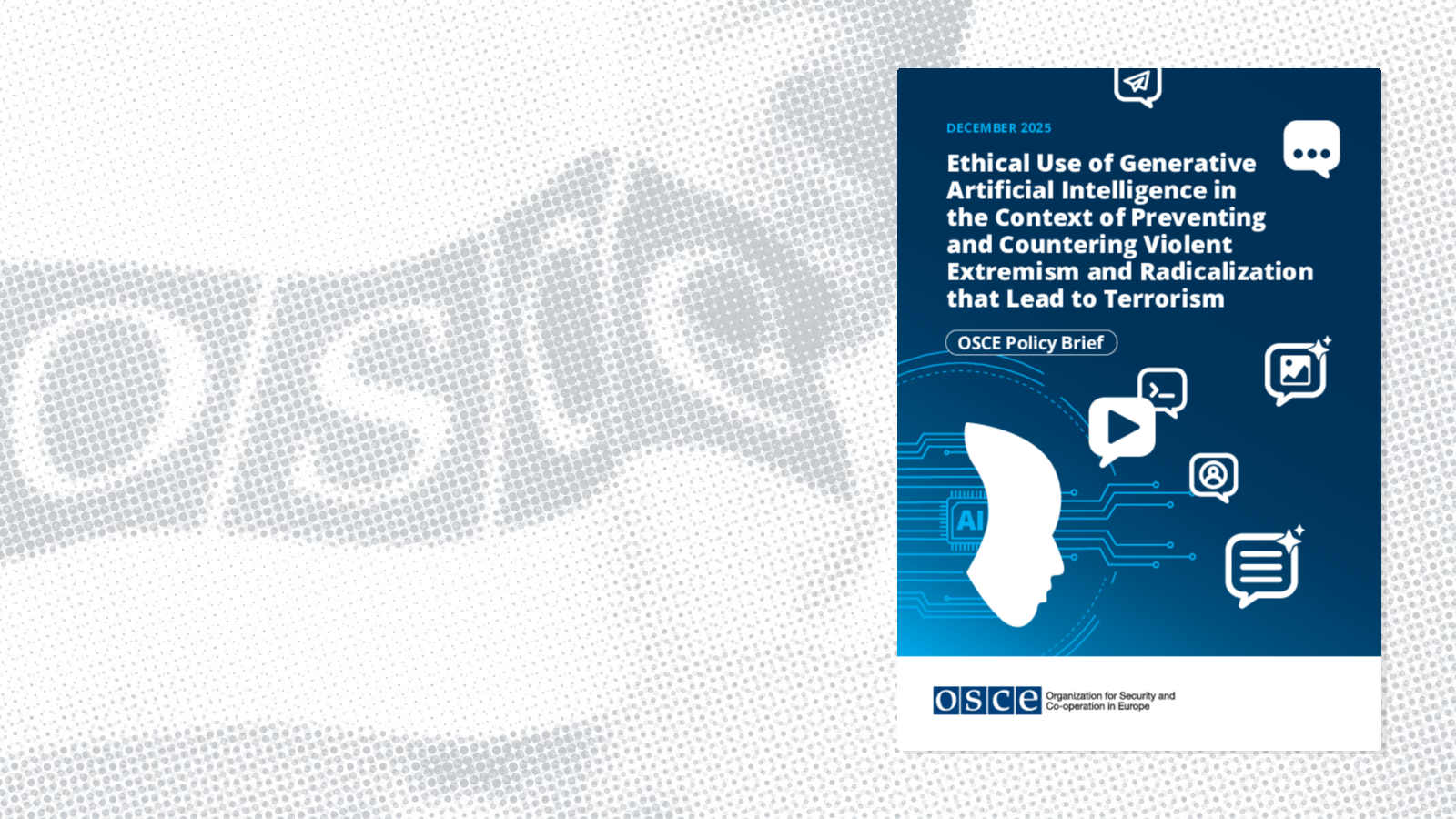
Report
Ethical Use of Generative Artificial Intelligence in the Context of Preventing and Countering Violent Extremism and Radicalization that Lead to Terrorism
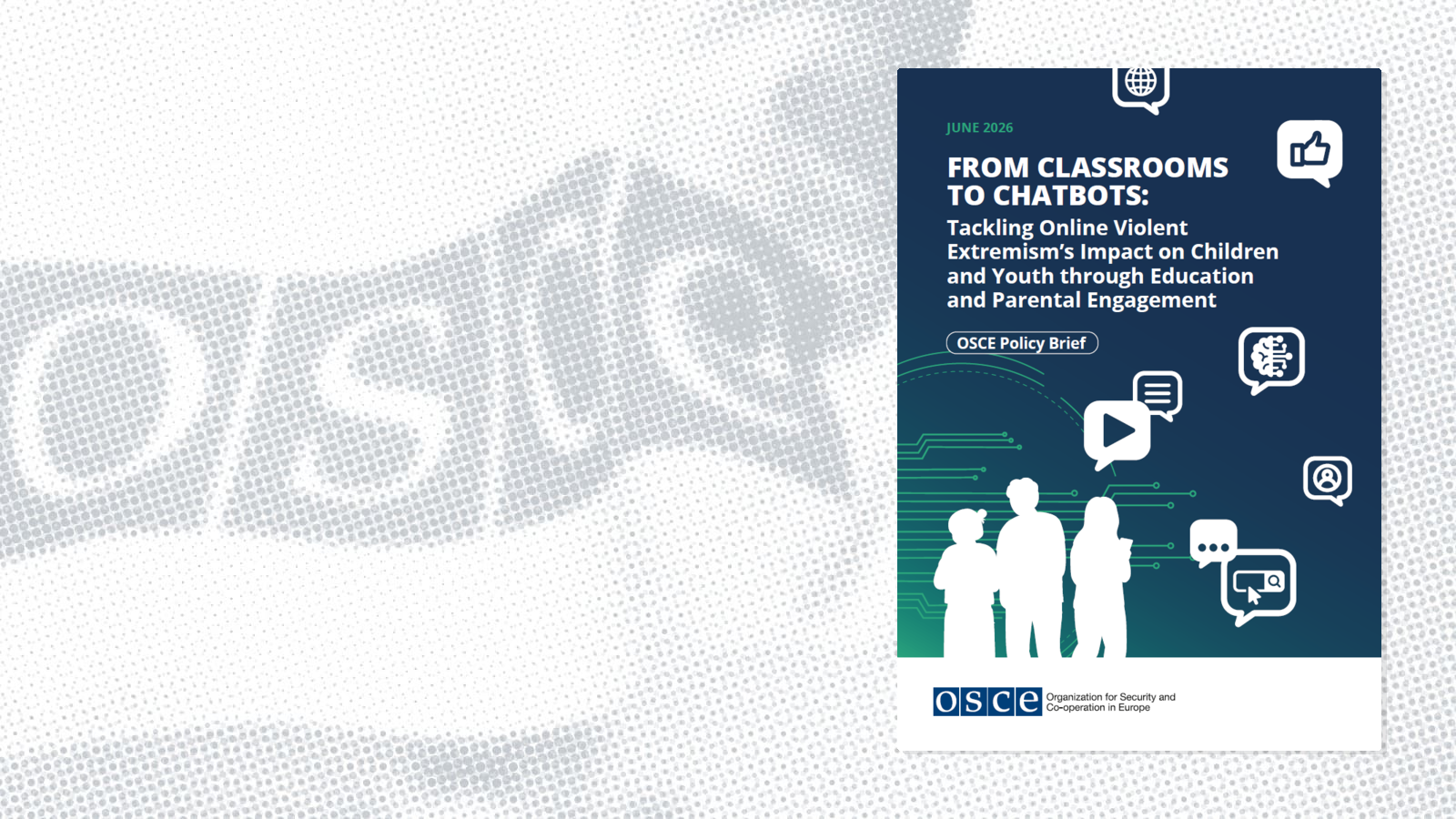
Study / report
FROM CLASSROOMS TO CHATBOTS: Tackling Online Violent Extremism’s Impact on Children and Youth through Education and Parental Engagement

Project
INFORMED: Information and Media Literacy in Preventing Violent Extremism – Human rights-based and gender-sensitive approaches to addressing the digital information disorder
Violent extremist and terrorist groups often exploit the Internet in order to spread violent content, gain support, and recruit members. The COVID-19 pandemic saw a proliferation of hostile sexist and xenophobic conspiracy theories, highlighting the significant need to bolster critical thinking and analysis, as well as media and information literacy skills.Emerging studies find that media- and information literacy can be useful for preventing the spread of misinformation/disinformation/malign information (mis/dis/mal).

Report
Strengthening Media and Information Literacy in the Context of Preventing Violent Extremism and Radicalization that Lead to Terrorism: A Focus on South-Eastern Europe
This report seeks to raise awareness of critical thinking and analysis, and meaningful engagement in the digital space, in order to build resilience to violent extremism and radicalization that lead to terrorism (VERLT) in South-Eastern Europe.
News and activities
Current announcements, press releases, media advisories and other updates
Projects
Initiatives funded by individual states and organizations
-
 Project
CLEAR: Critical Thinking, Information and Media Literacy, Ethical AI, and Resilience for Preventing and Countering Violent Extremism and Radicalization that Lead to Terrorism
-
 Project
INFORMED: Information and Media Literacy in Preventing Violent Extremism – Human rights-based and gender-sensitive approaches to addressing the digital information disorder

Resources
Official OSCE documents, publications and other manually selected resources

Studies and reports
Reports, studies and analyses for policymakers, researchers and all those interested in this field of our work

Manuals and guides
Practice-oriented manuals, guides, handbooks and recommendations for policymakers and practitioners working in this field